
Tea culture, made practical
A better cup begins with understanding.
Chinese tea is more than a drink. It is a way of paying attention to leaves, water, time and the people around the table. These simple guides will help you brew with confidence at home.
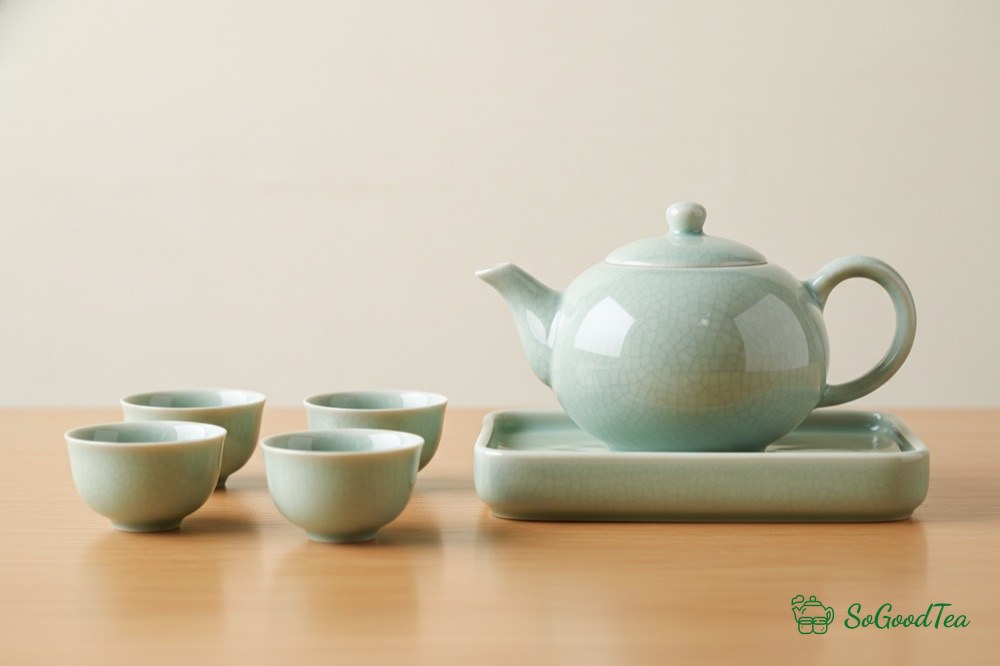
Good tea does not require ceremony. It asks only for a little attention.
Brewing basics
Two teas, two approaches.
Use these as starting points, not strict rules. Adjust the leaf amount and steeping time to suit your taste, your water and your teaware.
Pu-erh
Ripe Pu-erh is smooth and earthy; raw Pu-erh can be brighter and more astringent. Both reward short, repeated infusions rather than one long steep.
- Tea & ratio
- Start with 5 g of tea for 100 ml of water. Break the cake gently instead of crushing it into dust.
- Water & temperature
- Use fresh water at 95–100 °C. Rinse the leaves briefly with hot water and discard the rinse.
- Time & infusions
- Begin with 10–15 seconds, then increase gradually. Good Pu-erh can offer many infusions.
- Good to know
- A small gaiwan or teapot gives you control. Pour promptly to avoid excessive bitterness.
White tea
Shoumei is soft and full; Baimudan is delicate and floral. White tea prefers a gentler approach and enough space for the leaves to open.
- Tea & ratio
- Start with 3–5 g for 100 ml. Avoid packing the leaves tightly into a small strainer.
- Water & temperature
- Start around 85–95 °C. Cooler water can help preserve delicate aromas.
- Time & infusions
- Begin with 30–45 seconds and lengthen later infusions. White tea can usually be brewed several times.
- Good to know
- A glass mug is fine for daily drinking. Watch the leaves unfold and adjust the next cup to your taste.
Choosing teaware
The right tool for the cup you want.
You do not need a full tea set. Start with what you have, then add tools when they make brewing easier or more enjoyable.
| Teaware | Best for | Why it helps |
|---|---|---|
| Gaiwan | Pu-erh and white tea | The lid helps control the infusion, and the open bowl lets you see the leaves. Ideal for short, repeated steeps. |
| Small ceramic teapot | Pu-erh and daily white tea | Easy to pour and retain heat. A smaller pot makes it easier to manage leaf-to-water ratio. |
| Glass mug | White tea and beginners | Simple and convenient. You can watch the leaves open, though long steeping may make some teas bitter. |
| Fairness pitcher | Sharing several small cups | Pour the liquor into the pitcher first so every guest receives tea of the same strength. |
| Tea tray | Gaiwan and small-pot brewing | Catches rinse water and spills, keeping the tea table tidy during repeated infusions. |
A simple ritual
Four steps to a calmer cup.
01
Warm the vessels
Rinse the pot and cups with hot water. This warms the teaware and helps maintain the temperature of the infusion.
02
Measure, then adjust
Start with the suggested ratio. If the tea is too strong, use less leaf or shorten the next infusion rather than giving up on it.
03
Pour with attention
Pour steadily and avoid unnecessary waiting. Notice the colour and aroma before you taste; each infusion can be different.
04
Taste and share
Drink while the tea is warm. Compare the first and later cups, and offer the freshest pour to your guests.
Tea is also how we welcome people.
A tea table does not need to be formal. A small pot, two cups and a few unhurried minutes are enough. The purpose is not to display equipment, but to make time for someone.
When serving others, keep cups clean, offer fresh tea and notice when a guest needs a refill. If you are learning together, talk about what you taste without worrying about using expert vocabulary.
Simple tea-table etiquette
- Warm the cups before serving when possible.
- Do not overfill a guest's cup; a smaller pour is easier to enjoy.
- Offer the freshest infusion and avoid leaving tea sitting for too long.
- Ask about preferences. Not everyone enjoys the same strength or temperature.