Ripe Pu-erh · Tea stories
A mountain leaf, made mellow.
Everyday Ripe Pu-erh Cake
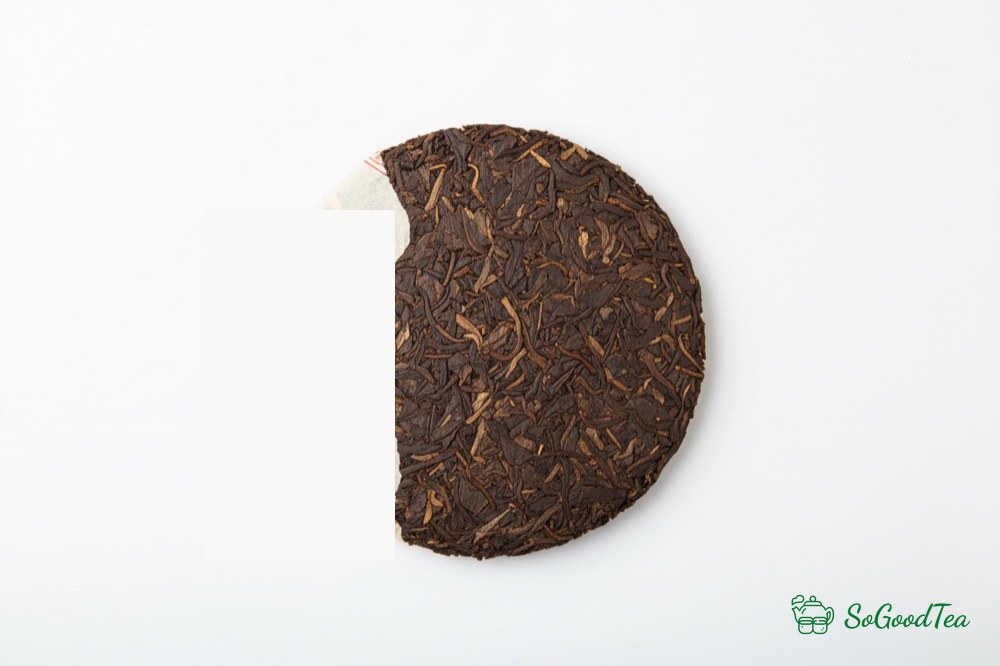
Behind this dark, pressed cake is a story of Yunnan leaves, patient fermentation and a tea made for unhurried everyday cups.
- Origin
- Yunnan, China
- Tea type
- Ripe Pu-erh
- Format
- 357 g pressed cake
01
Yunnan, where the leaf begins
Pu-erh takes its name from a historic tea-trading centre in Yunnan, southwest China. The tea is associated with Yunnan's large-leaf tea plants and mountain growing regions. Pressing the leaves into cakes made them compact and convenient to transport and store, connecting this everyday object with a much older history of tea journeys.
02
Why it is called ripe Pu-erh
Ripe, or shou, Pu-erh is not simply an old tea. It goes through a controlled fermentation process known as wo dui, developed in the 1970s to create a mellow character without waiting many years. The process gives the tea its dark colour and rounded, earthy profile; raw Pu-erh follows a different path and changes gradually with storage.
03
A cake for ordinary days
This 357 g cake is designed to be opened a little at a time. Gently pry off a piece, rinse the leaves briefly and brew in short infusions. The cup moves from deep colour and a smooth body towards a gentle earthy sweetness—a comforting daily tea rather than a ceremony reserved for special occasions.
Tea history and craft describe the general style. Product-specific facts are limited to the current catalogue information; harvest, batch and label details should always be checked against the physical tea.
Continue exploring
More leaves, more stories.
White tea
Shoumei White Tea
Meet Shoumei, a Fujian white tea shaped by withering and drying, with notes of hay, dried flowers and soft honey.
Read the tea storyWhite tea gift
Baimudan White Tea Gift Box
Explore the story of Baimudan, or White Peony, a floral Fujian white tea presented in a 150 g gift box.
Read the tea story