White tea · Tea stories
The quiet character of mature leaves.
Shoumei White Tea
Shoumei shows that white tea does not need to be delicate in appearance to offer a soft, generous cup. Its story begins with leaves, air and time.
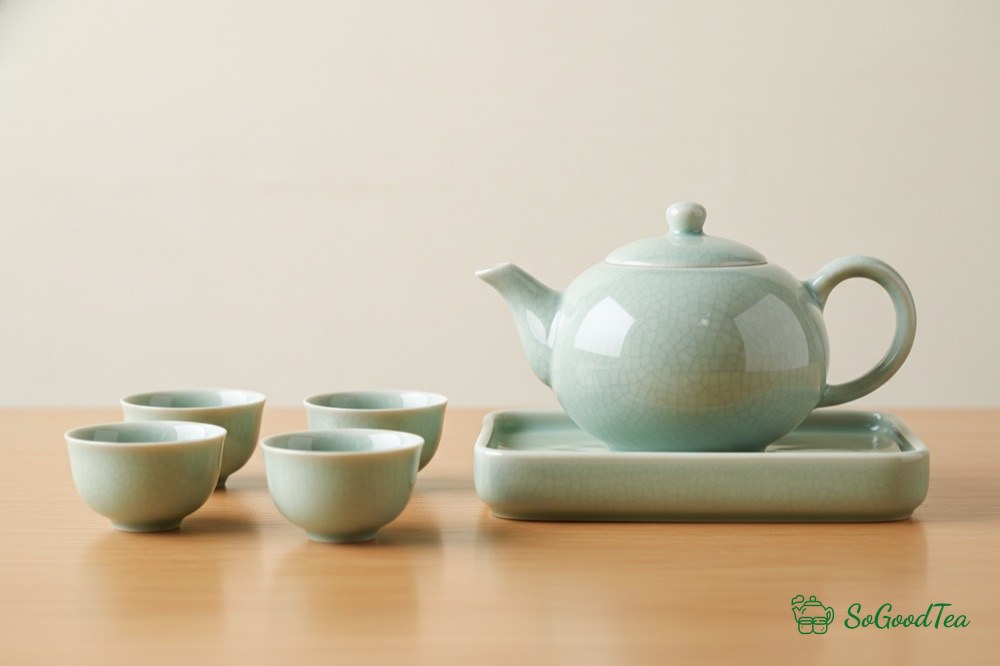
- Origin
- Fujian, China
- Tea type
- White tea
- Format
- 100 g loose-leaf pouch
01
A white tea from Fujian
Fujian, on China's southeast coast, is closely associated with white tea. Shoumei is one of its familiar styles, generally made with more mature leaves and buds than bud-only teas. Those broader leaves give the dry tea an open, varied appearance and bring a fuller character to the cup.
02
Withering and drying, little else
White tea is defined less by the colour of its leaves than by its craft. Fresh leaves are withered and dried, with no green-fixing step of the kind used for green tea. This comparatively simple process leaves room for gentle floral, hay-like and honeyed notes. The name Shoumei is often translated as 'Longevity Eyebrow', a reference to the shape of the leaves.
03
A forgiving afternoon cup
Shoumei is approachable for new tea drinkers because it can be brewed in a small pot or simply in a mug. Give the leaves enough room to open, start with water below a vigorous boil and adjust the next infusion to your taste. It is a tea for an afternoon pause, with a soft texture and an easy, rounded finish.
Tea history and craft describe the general style. Product-specific facts are limited to the current catalogue information; harvest, batch and label details should always be checked against the physical tea.
Continue exploring
More leaves, more stories.
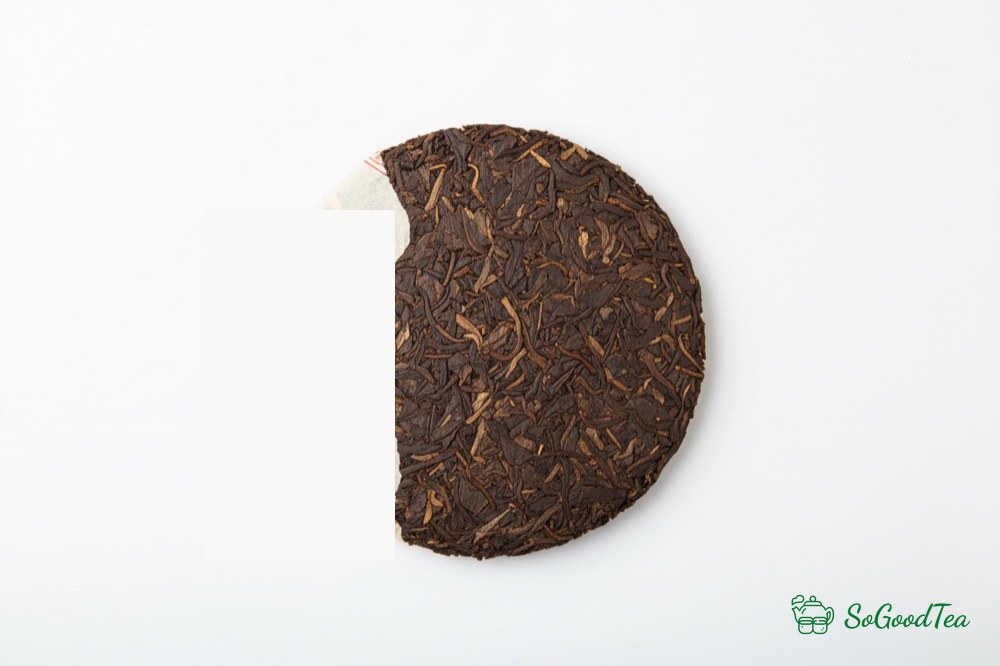
Ripe Pu-erh
Everyday Ripe Pu-erh Cake
Discover how Yunnan large-leaf tea becomes smooth, earthy ripe Pu-erh, and why it is pressed into a 357 g cake.
Read the tea storyWhite tea gift
Baimudan White Tea Gift Box
Explore the story of Baimudan, or White Peony, a floral Fujian white tea presented in a 150 g gift box.
Read the tea story